Litter found in the estuary as important as the Medway is very bad, the animals and plants suffer as a result of it entering into the tidal river. It gets into the river in a number ways:
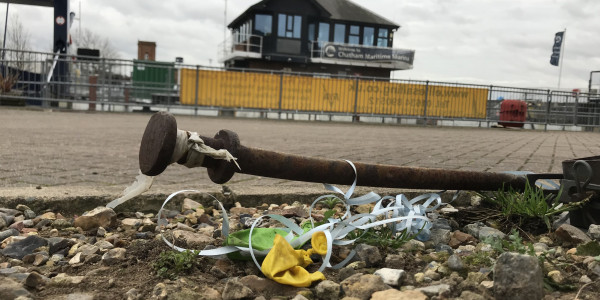
it can be dropped accidentally or deliberately into the river
it can be flushed down a drain that isn’t properly collected or treated (small plastic particles move through treatment plants)
it can be dropped on land or come out of a container like an overfull or uncovered bin and then:
be blown in – like bags or wrappers
be washed in via the road drains or being right on the edge of the river when the tide rises
The best ways to avoid litter entering is to reduce the amount we create, reuse as much as possible and responsibly dispose of any rubbish we do create.
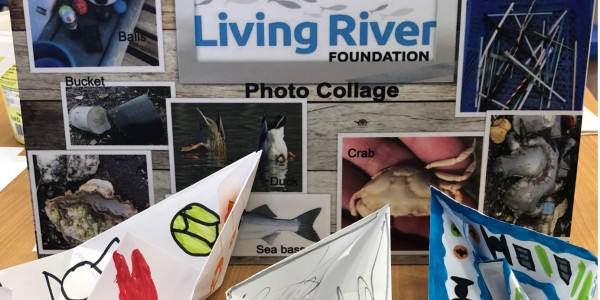
Birds will make nests out of plastic items and can try to feed their chicks with plastic. Small animals and fish can eat small pieces of plastic as they sift through the mud, and then in turn being eaten by bigger fish and other animals. While some animals can pass through the plastic, others like crabs cannot. Consequently, they have been found with in the mouth of the Medway with plastic fibres in their stomachs. If too much plastic is in the animal’s stomach it feels hungry and dies of starvation or internal injuries.
Birds, fish and marine mammals like seals can get tangled in large items like ropes, sacks, can yokes, even frisbees. Some litter will break down, but as it does it releases all the chemicals within it, and can take oxygen out.
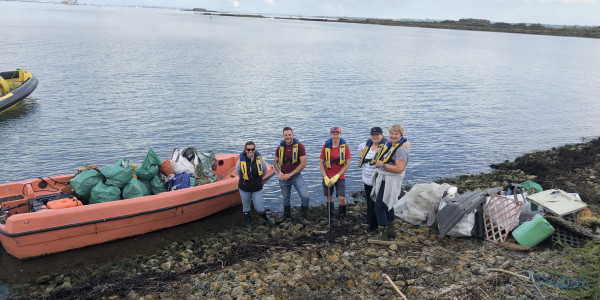
The islands that we have cleared have plastic under the plants, you can hear the crunch of bottles as you walk, and in some areas you can see the ropes and sheets under the ground.
Plastic is particularly bad for the estuary as it doesn’t break down there, even the bioplastic and compostable plastic. It will break into smaller and smaller pieces over time, due to the exposure to sunlight, being dragged over the bed of the river, catching on other items in the river and the wave and tide energy of the estuary.
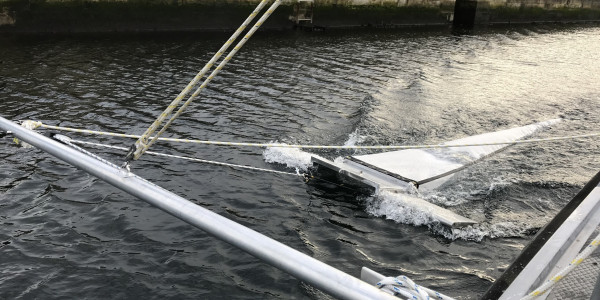
The Foundation is working to increase understanding, take action and monitor the litter in the Medway estuary. Find out more about our projects below.
If you would like to join our events follow us on Facebook or Eventbrite.
If you’d like to help us run the events so we can get even more litter out of the estuary, become a volunteer and sign up to be a clean up host, microplastics surveyor or liaison officer for events.